
Beyond the Incision: Understanding Post-Surgery Depression During Recovery
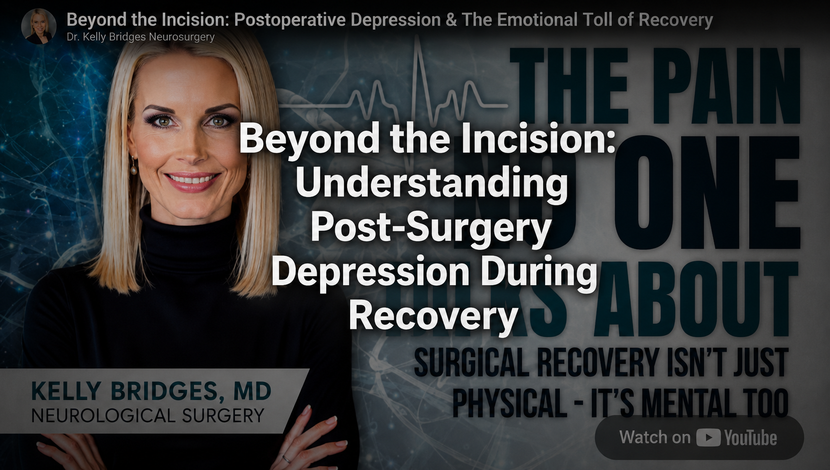
Healing after surgery isn’t just about what happens to your spine. It’s also about what happens emotionally.
Most people expect some discomfort after surgery. They expect soreness, fatigue, and a temporary change in their daily routine. What many don’t expect is to feel sad, anxious, discouraged, or simply unlike themselves.
If you’ve experienced those emotions after surgery, I want you to know something important: you’re not alone, and you’re certainly not failing at recovery.
Recovery Is More Than Physical Healing
Surgery asks a lot of your body. As you heal, you’re managing pain, sleeping differently, taking medications, and adjusting to temporary limitations. You may not be able to work, enjoy your favorite hobbies, or care for yourself the way you’re used to.
That’s a significant life change.
Those physical and lifestyle changes can have a real impact on your emotional well-being. In fact, post-surgery depression isn’t simply “all in your head.” It can be influenced by inflammation, medication side effects, sleep disruption, changes in routine, and the emotional stress that often comes with recovery.
Your body and your mind work together throughout the healing process.
What Is Post-Surgery Depression?
Everyone has good days and difficult days during recovery. Feeling frustrated from time to time is completely understandable.
Post-surgery depression is different.
It refers to feelings of sadness, anxiety, hopelessness, or a loss of interest in things you normally enjoy that continue beyond the expected emotional ups and downs of recovery. These feelings may begin affecting your motivation, your energy, your relationships, and even the way you experience pain.
Recovery is never exactly the same for two people. Your procedure, your overall health, your support system, and many other factors all influence how you heal—both physically and emotionally.
Why Can Surgery Affect Your Mood?
There usually isn’t one single reason.
Sometimes it’s physical discomfort. Sometimes it’s interrupted sleep. Sometimes it’s the temporary loss of independence that comes with needing help from family or friends.
Emotional stress about recovery, financial strain, or changes to independence and body image can also play a role. A history of depression or anxiety may increase the risk of post-surgical emotional difficulties. When you combine all of those challenges together, it’s understandable that emotional struggles can develop during recovery.
If you’re also dealing with pain after spine surgery, those physical symptoms may add another layer of stress while you’re healing.
When Should You Pay Attention?
It’s important to give yourself grace during recovery. Healing is rarely a perfectly straight path.
However, if sadness, anxiety, loss of motivation, sleep changes, feelings of hopelessness, or difficulty enjoying daily life continue for more than a couple of weeks—or if those feelings begin interfering with your recovery—it’s worth talking with your healthcare provider.
And if you ever experience thoughts of harming yourself, seek immediate emergency medical care or contact emergency services right away.
Asking for help is a sign of strength, not weakness.
Caring for Your Emotional Recovery
One of the best things you can do is recognize that emotional healing deserves attention just like physical healing.
For some people, talking with a licensed mental health professional can provide helpful tools for working through difficult emotions. Others benefit from mindfulness exercises, breathing techniques, or simply staying connected with supportive family members and friends.
Small daily victories matter.
When your healthcare provider says it’s appropriate, gentle activity may help both your body and your mood. Eating nutritious meals, getting adequate rest, enjoying a favorite book, spending time outdoors, or setting realistic daily goals can all help you feel more like yourself again.
If you’re recovering from spine surgery, remember that spine surgery recovery involves more than healing tissues. It also means giving yourself permission to heal emotionally.
Schedule a Consultation
If you’re facing post-surgery depression, know that you are not alone — and you’re not stuck. With the right care, mindset, and support, emotional recovery is absolutely possible. Schedule a consultation with Dr. Kelly Bridges to discuss your symptoms and learn about your treatment options.